
27 June 2026
The 14th International Symposium of the Pacific Arts Association entitled 'Oceanic Blazing Forms: Memory, Place-making and Imagination' will take place at the Wereldmuseum Leiden, the Netherlands. The symposium ties in with the exhibition Time for Papua. For the first time in sixty years, the Wereldmuseum is showcasing a selection of its western New Guinea collection as well as especially commissioned work. Visitors are invited to explore the richness, intricacy and making traditions of the art and material culture of this former Dutch colony. In addition, visitors will discover concepts of time that relate to memory, place-making and imagination.
The symposium is also part of a series of gatherings aimed at rethinking global art histories through the expansive and intellectual space of the Wereldmuseum, which challenges the structures and assumptions of both art history and anthropology through new approaches to material culture. The title of these gatherings ‘blazing forms’, taken from Margaret Danner’s poem The Convert, that initially applied to the blazing power of African art and material culture is here applied to Oceania to become Oceanic Blazing Forms: Memory, Place-making and Imagination.
The Pacific Arts Association (PAA), founded in 1974 and established as an association in 1978, is an international organization devoted to the study of all the arts of Oceania. PAA provides a forum for dialogue and awareness about Pacific art and culture. By connecting individuals and institutions around the world, PAA encourages greater cooperation among those who are involved with the creation, study, and exhibition of Pacific art.
The peer-reviewed Pacific Arts journal features current research and reviews. The PAA newsletter provides timely information about important events to members. PAA’s triennial International Symposium takes place in alternating venues across the globe and includes special tours, performances, exhibitions, and presentations of academic and artistic research on the arts of Oceania. Members have the opportunity to meet and participate in a PAA-sponsored session at the College Art Association annual meeting. PAA-Europe holds a meeting in Europe annually.
The Pacific Arts Association encourages individuals to become members of the association and join their network of engaged professionals. For more information on PAA membership registration please visit this link: Membership – Pacific Arts Association | PAA.
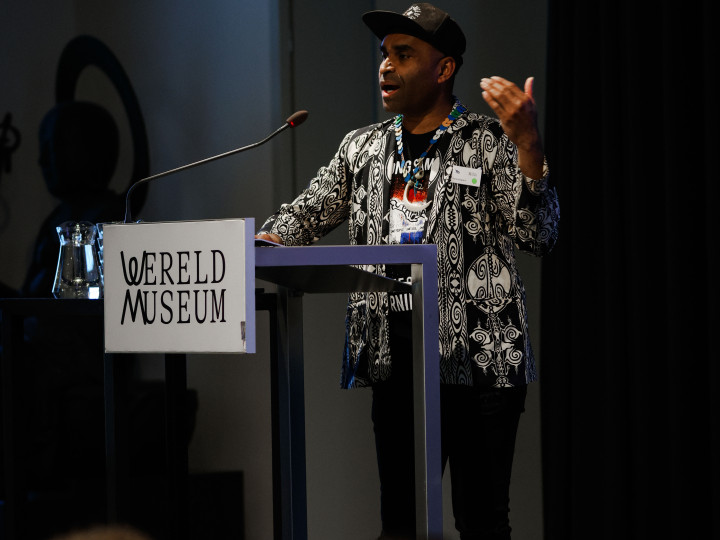
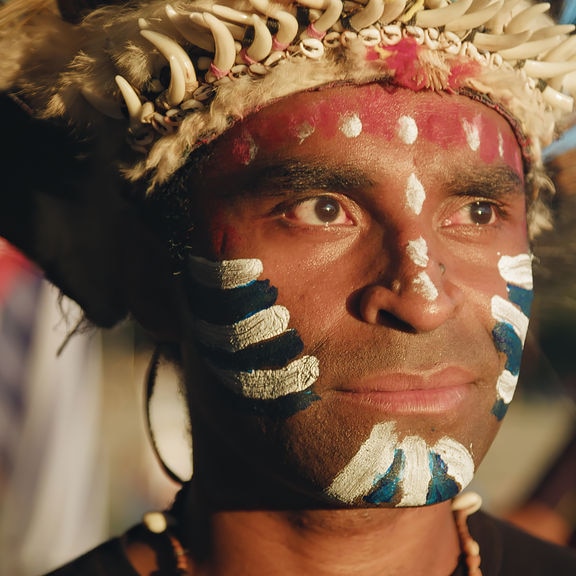
Ronny Kareni Keynote | Like a Tifa Drum: The Harder You Beat, the Louder We Become
Like a tifa drum, the harder you beat, the louder we become. This truth sits at the heart of West Papua’s socio-cultural and political life, where every attempt to suppress our voices only intensifies the rhythm of our resistance. This keynote traces a journey shaped through music and activism, grounded in the understanding that the tifa drum is both teacher and companion, carrying stories of reverence, resistance, and collective memory across generations.
Drawing on this lived experience, the keynote explores how rhythm becomes a method of survival and a strategy of visibility. When the state tightens its grip, the drumbeat intensifies. Art becomes a conduit through which West Papuans assert identity, dignity, and political presence, even in the face of censorship, displacement, and repression. Cultural expression becomes a medium for creativity and a political necessity.
This keynote invites arts institutions and curators to practical move in unison, drumming alongside communities and strengthening cultural artform as an ongoing form of arts cultural revival and resistance. Through the tifa’s resonance, we hear not only a beat, but a people refusing to be silenced.
Ronny Kareni is a West Papuan-born musician, cultural organiser, media fixer, and advocate whose work bridges music, diplomacy, and Indigenous resistance across West Papua, Australia, Southeast Asia and the Pacific. Shaped by collaborations with Wantok Musik SingSing, Tabura, Airileke, Sorong Samarai, and the Rize of the Morning Star movement, his practice is grounded in the understanding that the tifa drum is both instrument and teacher — a vessel of collective memory, cultural revival and political resistance. As a media fixer and distributor for JUBI Media, an independent media outlet in West Papua, documentary films, Kareni supports West Papuan storytelling through a Papuan lens to reach global audiences. He is also the co‑convener of the West Papua Project at the University of Wollongong, a think tank for Indigenous knowledge, political education, and community-led research.
Keynote Deidre Brown | Toi Te Mana: Understanding Māori art
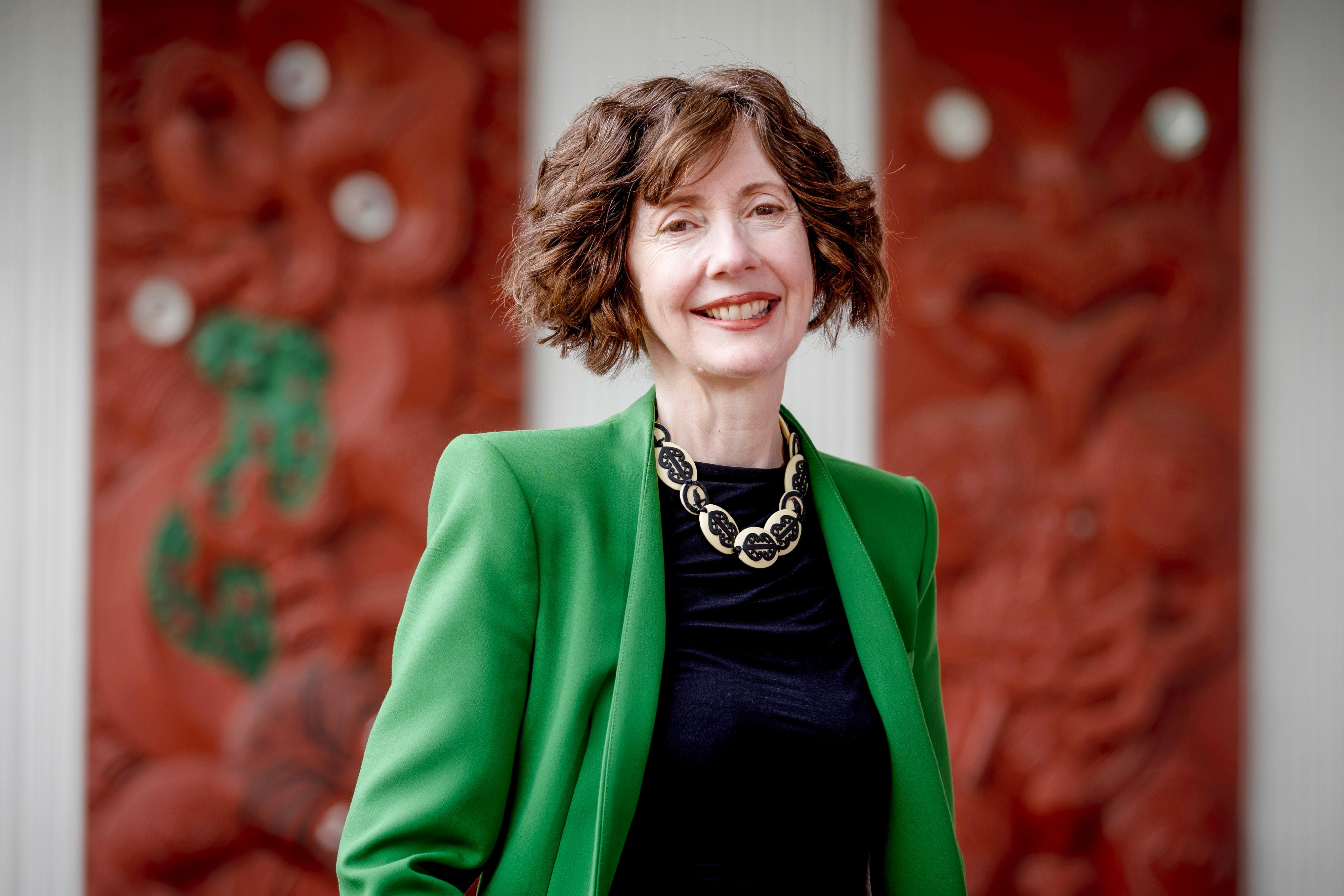
How might we understand the great breadth and diversity of toi Māori from its Polynesian beginnings to the present day? In 2012, three Māori art historians—Deidre Brown, Ngarino Ellis and Jonathan Mane-Wheoki—embarked on the ambitious task of addressing this question by writing a comprehensive Māori art history from a Māori perspective. Their recently published book, Toi Te Mana: An Indigenous History of Māori Art (Auckland University Press, 2024; Chicago University Press, 2025) has won several national and international awards, including the global 2025 Apollo Book of the Year prize. In this talk, Deidre presents the work of Māori artists as creative practitioners, recorders of history, and agents of change. She discusses the continuities between customary and contemporary art, and how the book’s research made important new discoveries about Māori art and brought to light the long-forgotten stories of taonga Māori (Māori treasures) in museums.
Professor Deirdre Brown is a leading Māori art historian and architectural scholar whose research explores Māori and Pacific art, architecture, and cultural heritage. Her work highlights Indigenous design, the transmission of cultural memory through buildings and objects, and the intersections of tradition, innovation, and identity in the built environment. Brown’s scholarship and curatorial projects have significantly shaped understandings of Pacific and Māori heritage, both in Aotearoa New Zealand and internationally.
Keynote Brian Diettrich | Blazing Voices and the Capacity of Song and Dance: Expression and Social Action in Oceania
This keynote address responds to the message and intent of Margaret Danner’s The Convert (1960) that guides the 2026 Pacific Arts Association and its theme of Oceanic Blazing Forms. Danner was inspired by African art in a powerful awakening to new aesthetic shapes, but the poem prompts deeper questions about how to engage with the material world: what was the purpose of the figure in society and what unrevealed power might have remained hidden in its forms? In this keynote presentation, I ask how we might consider performance beyond mere aesthetics, and I examine the capacity and power for social change within Oceanic song and dance in historical and contemporary contexts. How does performance create and impact change and how might this social capability complement our aesthetic understanding of art across the Pacific and globally? In what ways have Pacific communities and artists employed performance to confront colonialism, communicate solidarity, or address cultural and environmental crises? In this presentation I draw widely on examples of Pacific performance, before focusing in particular on song and dance within Chuuk in Micronesia, and where I’ve collaborated over the past 25 years. In an exploration of the social potential within song and dance, I hope to better understand the deeper, active quality of ‘from-within-glow’ by which Danner was awakened.
Brian Diettrich is an internationally recognized ethnomusicologist whose research focuses on the music and dance traditions of Micronesia. His work explores how performing arts serve as vital expressions of cultural heritage, examining their roles in transmitting knowledge, fostering community, and navigating the impacts of colonialism and modernity. Diettrich advocates for holistic and participatory approaches to safeguarding Micronesian music and dance, emphasizing their importance in cultural resilience and identity.
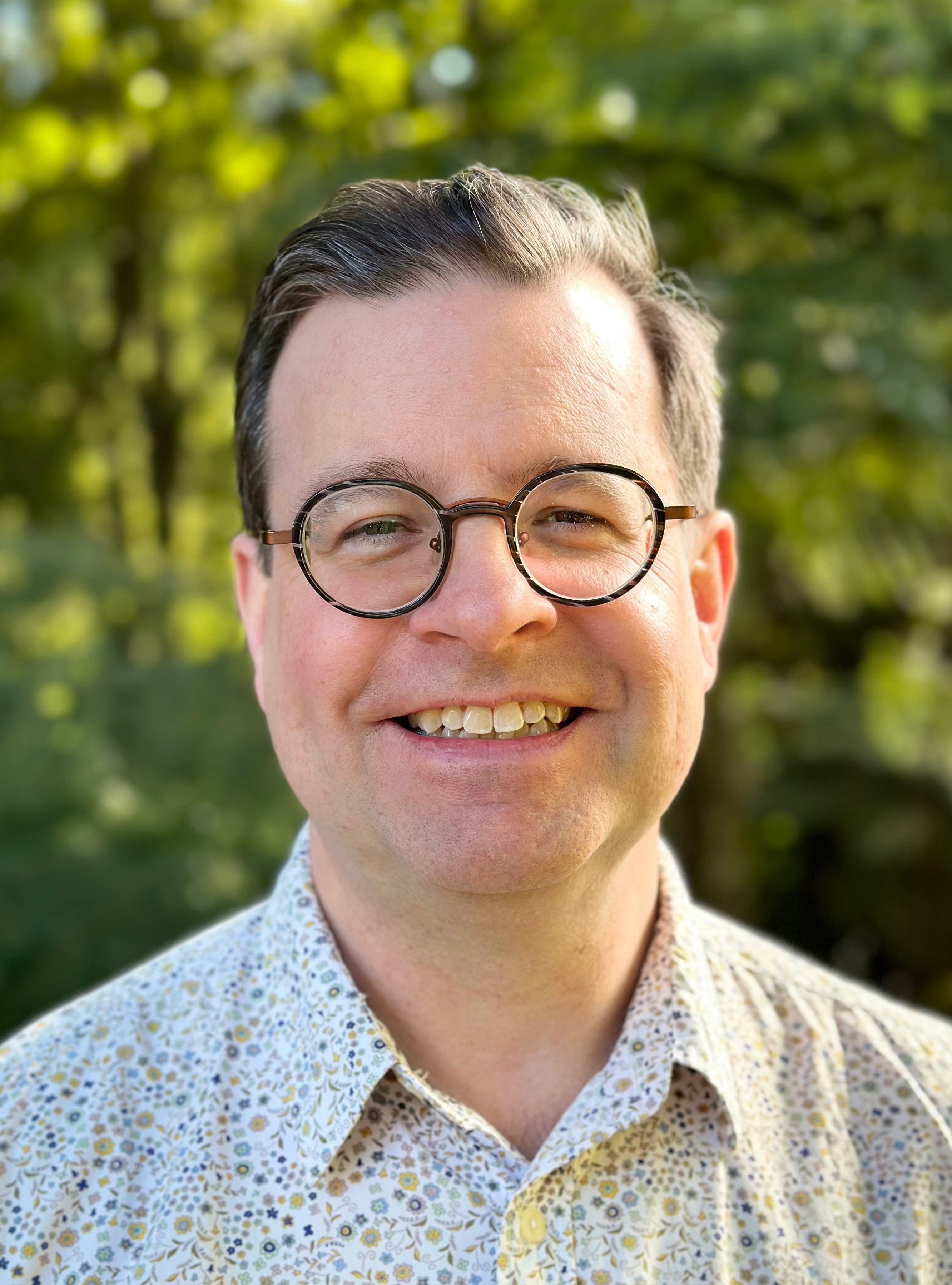
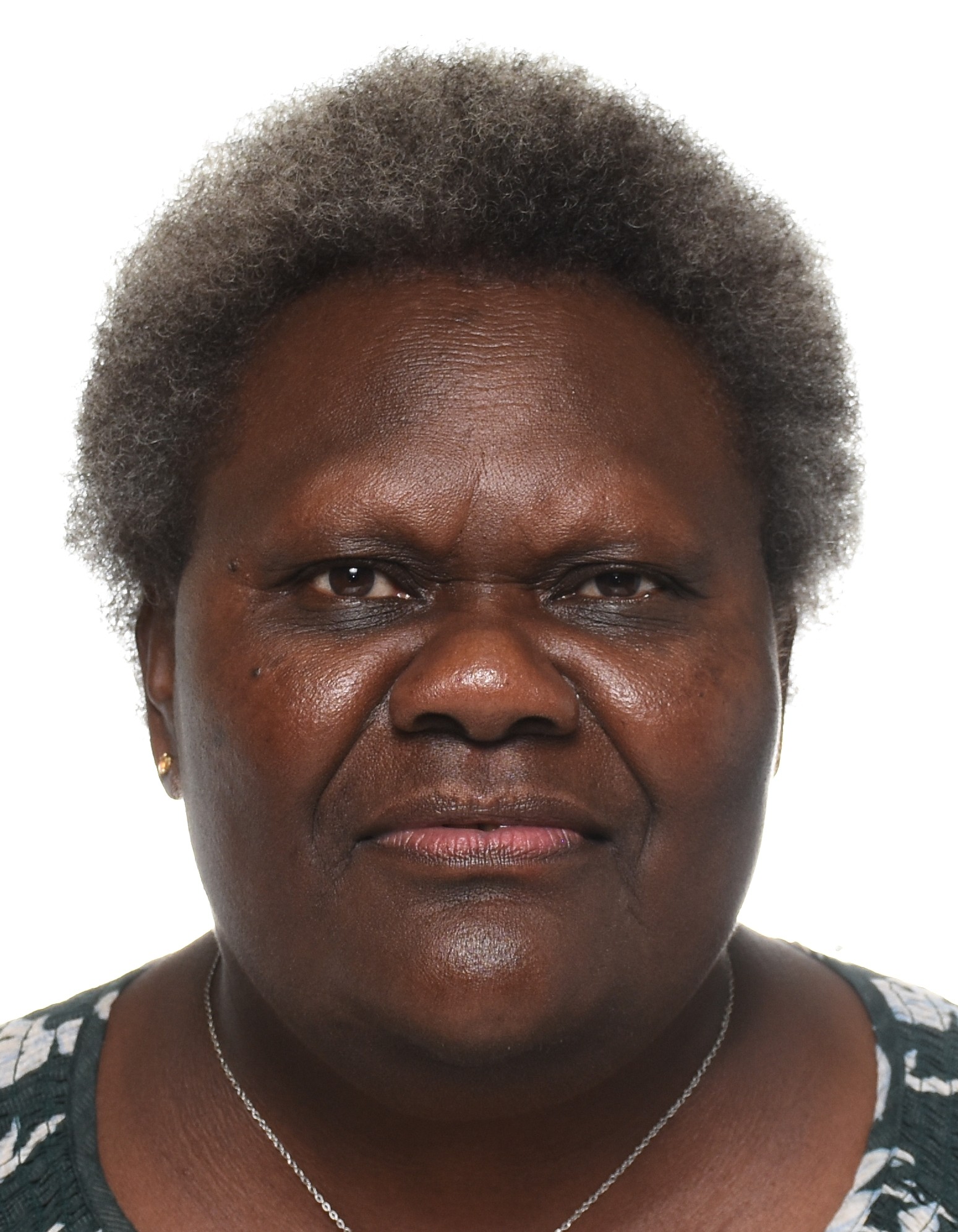
Keynote Sana Balai | Carrying the Line: Memory, Land, and Women’s Cultural Practices in Bougainville
Aunty Sana Balai’s presentation examines how memory, place‑making, and imagination operate as interconnected cultural technologies throughout her life and work. A Bougainville-born curator, cultural custodian, and mentor, Aunty Sana bridges ancestral knowledge systems with contemporary creative expression, drawing deeply from the matrilineal epistemologies of Buka Island. Her practice highlights how women’s cultural traditions—especially those passed through the ha’tutu (second-born sister) lineage—sustain systems of governance, land stewardship, and ceremonial authority that have shaped Bougainville for generations.
Her co‑curatorship of Women’s Wealth at the 9th Asia Pacific Triennial (APT9) exemplifies this philosophy. The exhibition centred women as holders of economic, spiritual, and artistic power, presenting pottery, weaving, and other embodied practices as living archives of history and future possibility. Through this work, Aunty Sana illuminated the depth and resilience of women’s cultural labour across the Pacific.
Beyond institutional settings, Aunty Sana extends her methodology into the diaspora communities, including Pasifika communities mentoring young and emerging artists as they navigate displacement, cultural continuity, and creative sovereignty. Through relational guidance, studio visits, and intergenerational dialogue, she creates spaces where artists can reconnect with ancestral memory while imagining new forms of belonging. Her approach demonstrates that place‑making is not only geographic but also mnemonic and imaginative, reactivating kinship, story, and land-based knowledge across distance.
By weaving together Bougainville’s matrilineal knowledge systems, the collaborative ethos of Women’s Wealth, and her sustained mentorship of Pacific creatives, this presentation argues that Aunty Sana’s work offers a vital framework for understanding how Indigenous women’s cultural practices shape contemporary art, community resilience, and Pacific futures.
Sana Balai is a Bougainville-born curator, writer, and researcher renowned for her transformative work with Pacific, Aboriginal, and Torres Strait Islander collections. A respected elder and champion of inclusivity, she has shaped ethical curatorial practice and intercultural dialogue across Australia and the Pacific.
| Grote Zaal | Paviljoen Zaal | |
|---|---|---|
| 9:00 | Registration at the ticket office desk | |
| 10:00 | Exhibition visit: Time for Papua | |
| 12:00 | Lunch in the Museum Lounge | |
| 13:00 | Welcome words by Wayne Modest | |
| 13:10 | Ronny Kareni - Like a Tifa Drum: The Harder You Beat, the Louder We Become (keynote lecture) | |
| 14:00 | Papua: Past and Present I Amélie Roussillon | Object Stories I Nicolas Moret |
| 16:00 | Coffee/tea break in the Museum Lounge | |
| 16:30 | Papua: Past and Present II Ursula Konrad, Carolina Winkelmann, and Nick Stanley | Object Stories II Marissa Perez |
| 18:00 | End | |
| Grote Zaal | Paviljoen Zaal | |
|---|---|---|
| 9:00 | Introduction by Wonu Veys | |
| 9:10 | Deidre Brown - Toi Te Mana: Understanding Māori art (keynote lecture) | |
| 10:00 | Coffee/tea break in the Museum Lounge | |
| 10:30 | Relational Collections Imelda Miller and Oliver Lueb | Journeys Nicholas Thomas |
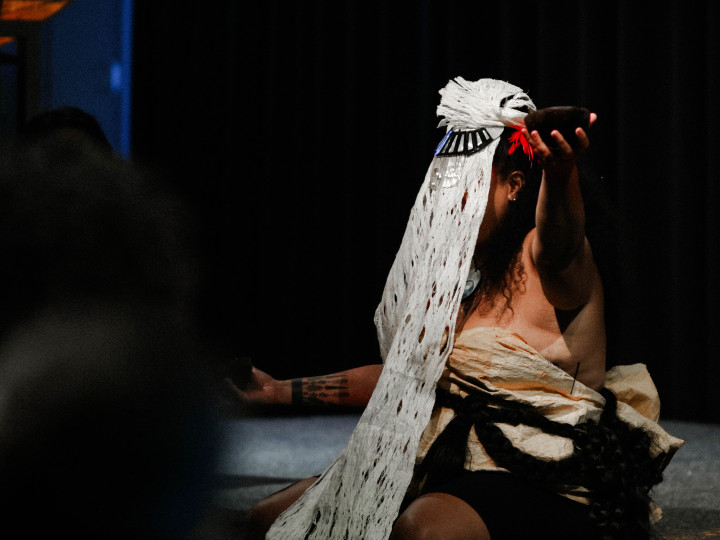
| 12:00 | Te Rongo Kirkwood - Carrying Memory: Intergenerational Continuum in the Seer, the Seen, the Seeing (performance) | |
| 12:30 | Lunch in the Museum Lounge | |
| 14:00 | Rethinking Pacific Museums and Displays Katy Klaasmeyer | Fibre Arts Anne E. Guernsey Allen |
| 16:00 | Dagmar Dyck - Honouring the Vava’u ancestors (private ceremony) | |
| 16:30 | Double exhibition opening: Yuki Kihara - Darwin in Paradise Camp and Sámi Art, Land, Power | |
| 18:00 | End | |
| Grote Zaal | Paviljoen Zaal | |
|---|---|---|
| 9:00 | Introduction by Wonu Veys | |
| 9:10 | Brian Diettrich - Blazing Voices and the Capacity of Song and Dance: Expression and Social Action in Oceania (keynote lecture) | |
| 10:00 | Coffee/tea break in the Museum Lounge | |
| 10:30 | Contemporary Art I Maggie Wander | Marquesan Art Caroline van Santen |
| 12:30 | Lunch in the Museum Lounge | |
| 14:00 | Contemporary Art II Karen Jacobs | Imagining Object and Collection Futures Gretchen Burau and Amy Nygaard |
| 15:30 | Renee Grace Hau - A House of Adornments, Tracing and Transmitting Stories of Māori Adornments (performance) | |
| 16:00 | Coffee/tea break in the Museum Lounge | |
| 16:30 | Memory Travis Chai Andrade and Lyall Hakaraia | |
| 17:30 | End | |
| 19:00 | Symposium dinner at Tuin van de Smid (reservations closed) | |
| Grote Zaal | Paviljoen Zaal | |
|---|---|---|
| 9:00 | Introduction by Wonu Veys | |
| 9:10 | Sana Balai - Carrying the Line: Memory, Land, and Women's Cultural Practices in Bougainville (keynote lecture) | |
| 10:00 | Coffee/tea break in the Museum Lounge | |
| 10:30 | Interpretations Noëlle Rathmell-Stiels | Papua Trajectories and Rituals Marion Bertin |
| 12:30 | Lunch in the Museum Lounge | |
| 14:00 | General Assembly Meeting (Pacific Arts Association members) | |
| 15:00 | Hinatea Colombani & Moeava Meder with Lyall Hakaraia - 'A FANO RA! (performance) | |
| 15:45 | George Nuku - The Vanishing Māori show presents - A Joint Reflection (performance) | |
| 16:30 | Closing: Fadjar Schouten-Korwa and Inaria Kaisiepo | |
| 17:15 | End | |
| 9:00 | Departure from Wereldmuseum Leiden by bus |
|---|---|
| 12:00 | Arrival to Steyl |
| 13:00 | Visit to Missiemuseum with introductory tour by curator Paul Voogt |
| 15:00 | Departure from Steyl |
| 17:45 | Arrival to Wereldmuseum Leiden |
Please note that lunch will be autonomous. You can find suggestions in the conference program pdf. If you have an ICOM card or Museumkaart, please bring it along.
Delegates to the PAA International Symposium are offered a guided tour of the exhibition Plumes of Paradise at Musée du Quai Branly – Jacques Chirac, Paris.
Please note that this trip is completely optional and to be organised autonomously.
If you intend to join the guided tour at 15:00 with Magali Mélandri and Stéphanie Xatart, the curators of the exhibition, please inform the conference team in advance.