22 May 2026
The Research Center for Material Culture at the Wereldmuseum, in close collaboration with the Radboud University Nijmegen and the Wereldlab, are pleased to invite Shola von Reinhold, Satch Hoyt, Eunsong Kim and Carine Zaayman for the public program Making Worlds: Reimagining the Archive
Making Worlds is a continuing collaborative program between the Wereldlab and Radboud University to expand the possibilities of global art history. What might happen if we reimagine the practice of art history as a form of world making, involving both archival and speculative modes?
| Time | Item |
| 14.30 | Entry |
| 15.00 | Introduction by Wayne Modest, Sonia de LaForcade, and Matthew Mullane |
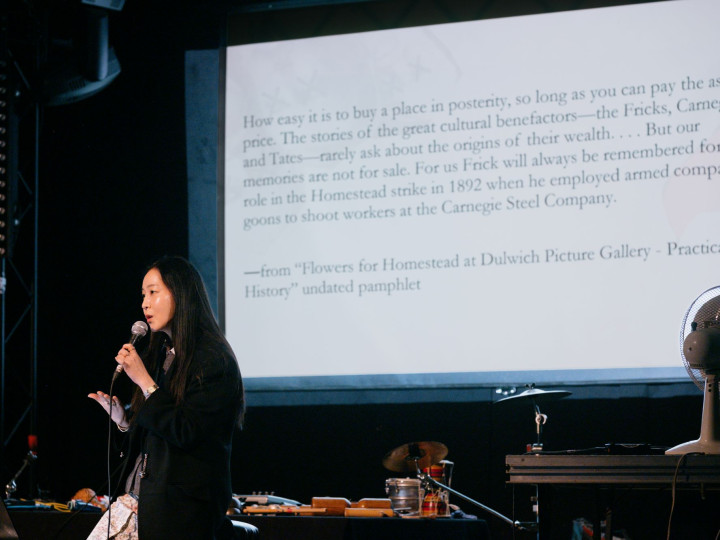
| 15.10 - 16.10 | Archival Gaps: Eunsong Kim and Shola von Reinhold |
| 15.10 - 15.25 | Eunsong Kim |
| 15.25 - 15.55 | Shola von Reinhold |
| 15.55 - 16.10 | Conversation and Q&A |
| 16.10 - 16.20 | Break |
| 16.20 - 17.50 | Archival Abundance: Carine Zaayman and Satch Hoyt |
| 16.20 - 16.25 | Introduction by Sonia de LaForcade and Matthew Mullane |
| 16.25 - 16.40 | Carine Zaayman |
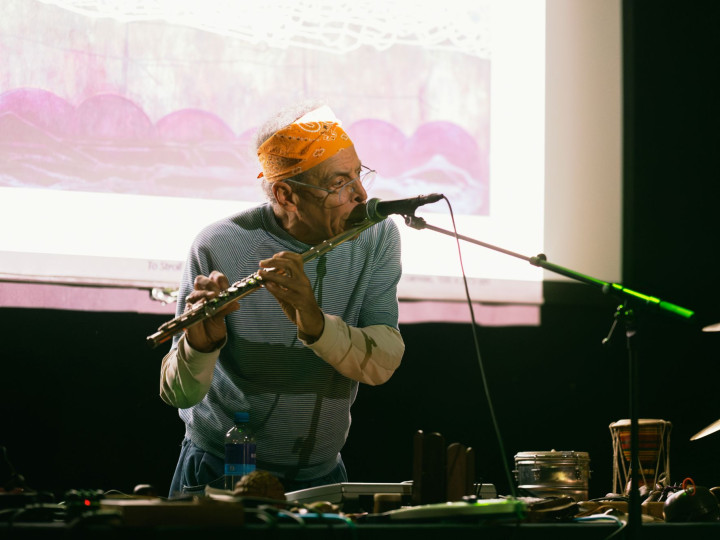
| 16.40 - 16.55 | Satch Hoyt |
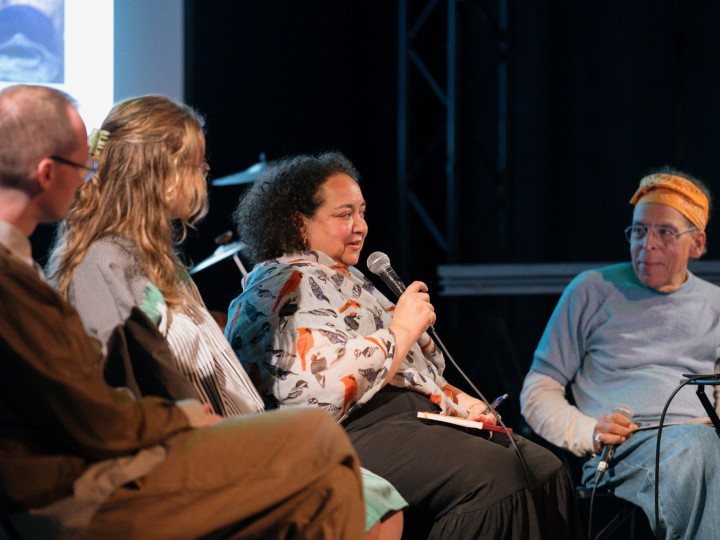
| 16.55 - 17.10 | Conversation and Q&A |
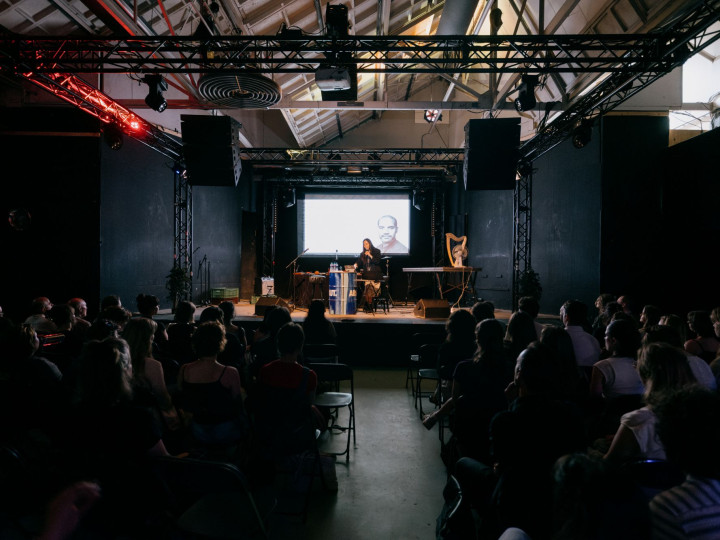
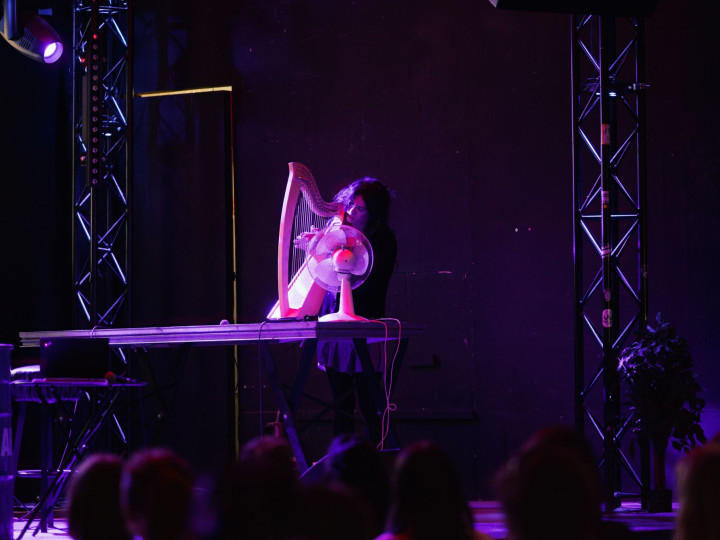
| 17.10 - 17.45 | UnMuting performance by Satch Hoyt |
| 17.50 | End of program |
The first iteration of this program, Making Worlds: Reimagining the Archive features presentations, conversations, and performances by artists and scholars who are animated by the problems and possibilities of the archive—a space of collection and categorization shaped by coloniality. The event is divided into two thematic sessions: “Archival Gaps” and “Archival Abundance.” In the first session, we ask: how can artists and scholars productively critique the gaps, erasures, and violence of the colonial archive? The author Shola von Reinhold provides a possible answer in their novel Lote. The book’s main character discovers fragmentary archival evidence of a forgotten Black British modernist figure, triggering an obsession that sends them deep into history and deeper into the odd corners of the contemporary artworld. Von Reinhold will present a reading of their work and converse with current Wereld Lab fellow and scholar Eunsong Kim. Kim’s recent book The Politics of Collecting: Race & the Aestheticization of Property reveals the ways that racialized capitalism structured the collecting policies of American museums and archives in the twentieth century. Kim demonstrates how the exclusionary logics of colonialism and property ownership are central to understanding both historical archives and contemporary art’s preoccupation with “immateriality.”
The second session inverts the first, asking how we might approach archives through the framework of abundance rather than lack. Artist and RCMC scholar Carine Zaayman will discuss her theorization of the “anarchive,” a colonially-constructed archival absence reimagined as a generative site of artistic intervention. Her recent book Seeing What Is Not There: Figuring the Anarchive argues that we must look beyond the violent gaps of colonial erasure to recuperate the indefatigable abundance of life. Artist Satch Hoyt will present his ongoing project “Un-Muting. Sonic Restitutions” wherein he locates, plays, and “un-mutes” the countless number of African musical instruments stored in the silent depots of Western museums. Hoyt will conclude the day with a sonic performance, bringing the potential abundance of the archive to our ears.
Making Worlds is organized by The Research Center for Material Culture at the Wereldmuseum, Wereldlab Nijmegen, Sonia de Laforcade (Radboud University) and Matthew Mullane (Radboud University).
Shola von Reinhold is a writer and artist from Scotland. Her first novel LOTE won the Republic of Consciousness Prize and the James Tait Black prize for fiction. Her second book, The Rebis Book is out in October 2026 and with Montez Press.
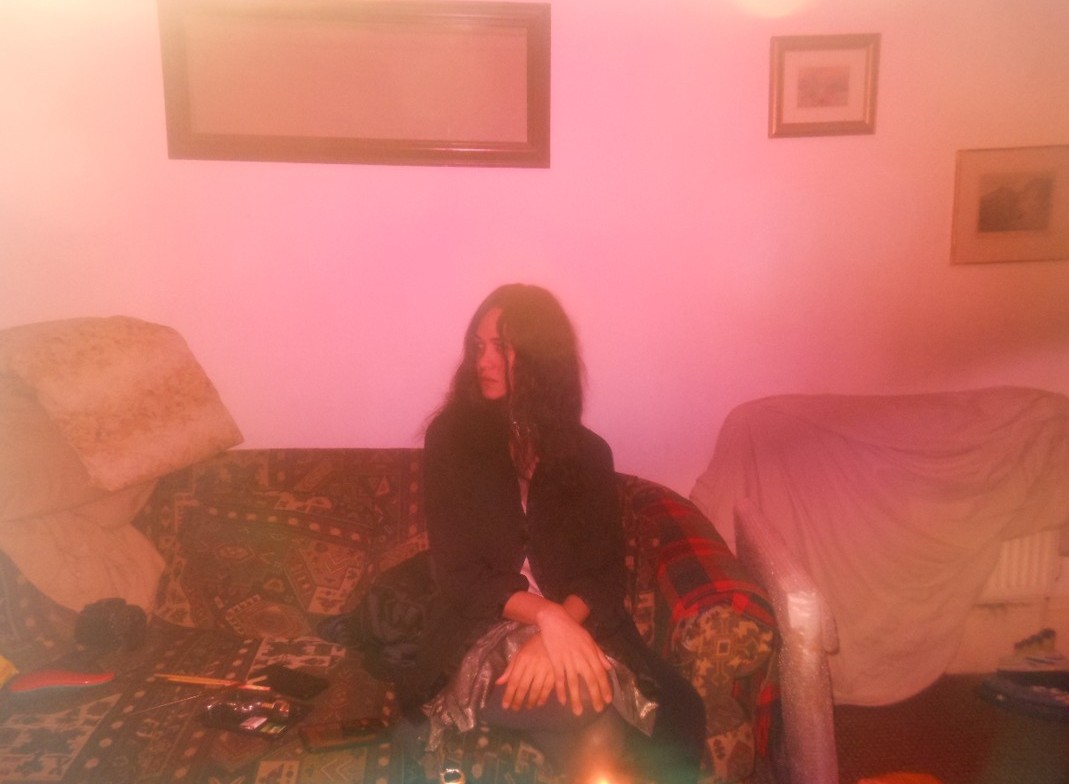
Eunsong Kim is an Associate Professor in the Department of English at Northeastern University. She is the author of gospel of regicide (Noemi 2017), and with Sung Gi Kim she translated Kim Eon Hee’s poetic text Have You Been Feeling Blue These Days? published in 2019. Her monograph, The Politics of Collecting: Race & the Aestheticization of Property (Duke 2024) materializes the histories of immaterialism by examining the rise of US museums, avant-garde forms, digitization, and neoliberal aesthetics, to consider how race and property become foundational to modern artistic institutions. In 2021 she co-founded offshoot, an arts space for transnational activist conversations.
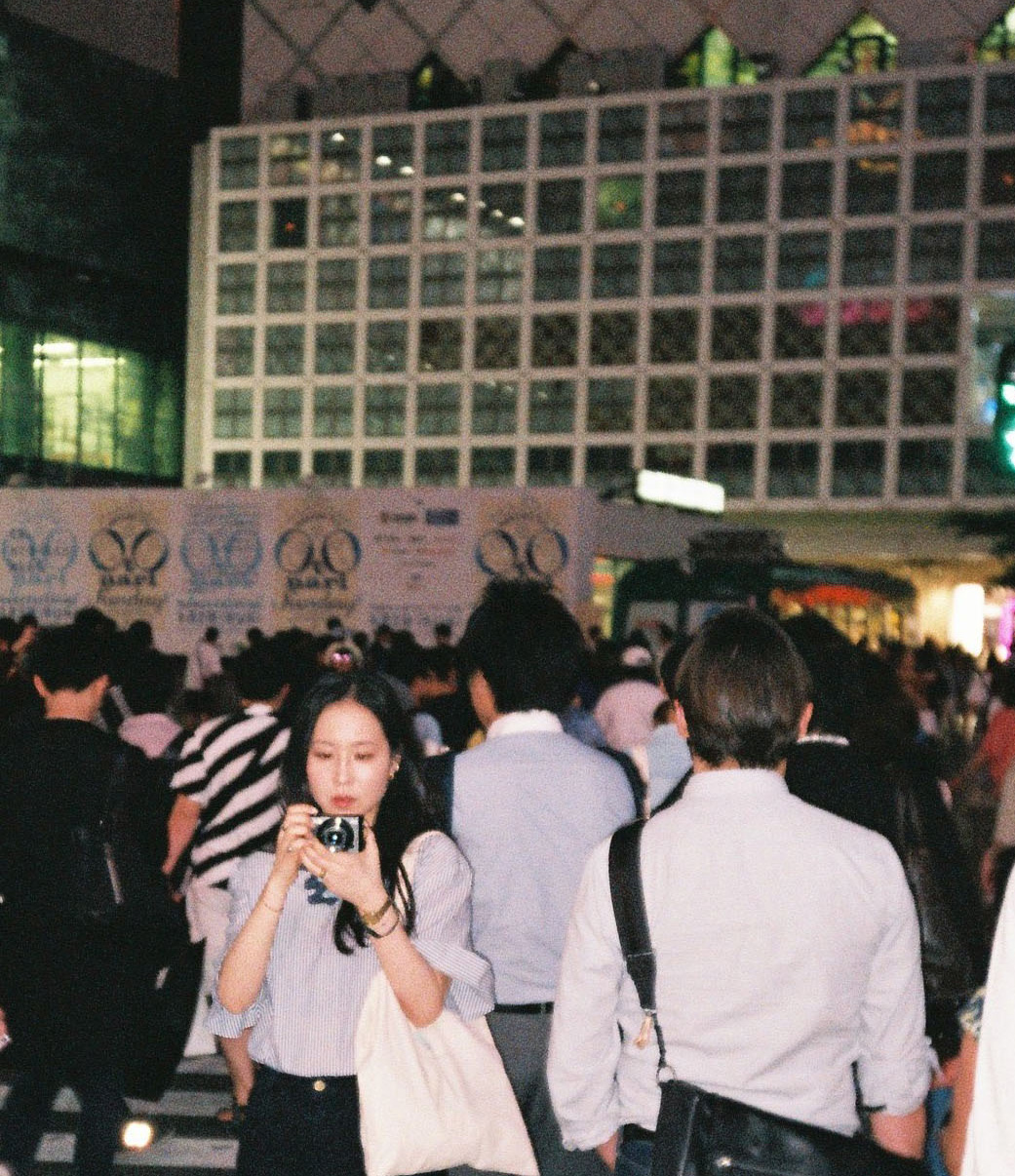
Satch Hoyt is a spiritualist, a believer in ritual and retention. A visual artist and a musician, his diverse and multifaceted body of work—whether sculpture, sound installation, painting, musical performance, or musical recording—is united in its investigation of the “Eternal Afro-Sonic Signifier” and its movement across and amid the cultures, peoples, places, and times of the African Diaspora. Those four evocative words (a term coined by Hoyt) refer to the “mnemonic network of sound” that was enslaved Africans’ “sole companion during the forced migration of the Middle Passage.”¹ It was, and is, a hard-won somatic toolkit for remembering where you come from and who you are—and maybe, where you’re going—against all the many odds.
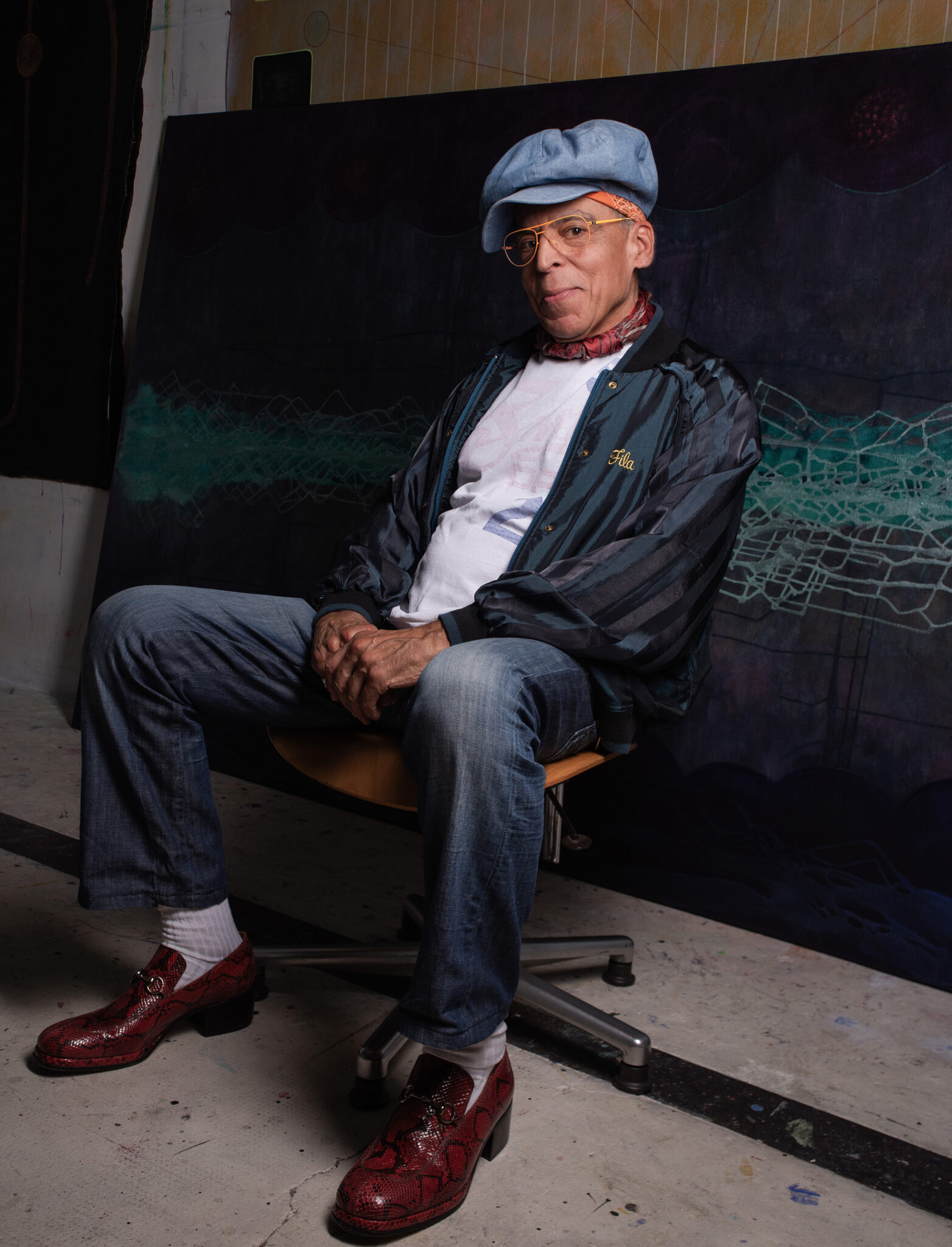
Carine Zaayman is an artist, curator and scholar. She is committed to critical engagement with colonial archives and collections, specifically those holding strands of Khoekhoe pasts. Her work focuses on the afterlives of slavery and colonialism, particularly in the Cape, by bringing intangible and neglected histories into view. Her research aims to contribute to a radical reconsideration of colonial archives and museum collections, especially by assisting in finding ways to release their hold over our imaginations when we narrate the past, as well as how we might shape futures from it.