From 29 October 2026
The Research Center for Material Culture, in collaboration with Professor Carlos Garrido Castellano and Beatriz Dantas Vieira (University College Cork and ARTFICTIONS Project, Ireland) are pleased to be organizing the international two-day symposium entitled “The Grammar of Reparation: A Creative and Research Symposium.”
This symposium explores the complex entanglements between narrative/narration and questions of repair, reparation, and restitution. What is the lexicon of reparation? What modes of narrative strategies, past and present, can we imagine to repair the wounds of the past? Can stories repair (and be repaired)?
During these two days, a global cohort of scholars and practitioners will approach these questions from their diverse perspectives and multimodal approaches. For more on the content of the symposium, please see below.
Thursday October 29th | Friday October 30th | ||
| 9.50 - 10.10 | Walk-in | 9.50 - 10.10 | Walk-in |
| 10.15 - 10:45 | Welcoming words | 10.15 - 10:45 | Welcoming words |
| 10.50 - 11:30 | Presentation and discussion with Kathryn Yussof | 10.50 - 11:30 | Presentation and discussion with Maria Raquel Passos Lima |
| 11:35 - 12.15 | Presentation and discussion with Lola Olufemi | 11:35 - 12.15 | Presentation and discussion with Joseph Pierce |
| 12.20 - 13.25 | Lunch Break | 12.20 - 13.25 | Lunch Break |
| 13:30 - 14:10 | Presentation and discussion with Nicola Frith | 13:30 - 14:10 | Presentation and discussion with Siobhan Angus |
| 14.14 - 14.55 | Presentation and discussion with Uhuru Phalafala | 14.14 - 14.55 | Presentation and discussion with Chiara de Cesari |
| 15.00 - 15.20 | Coffee Break | 15.00 - 15.20 | Coffee Break |
| 15.25- 16.05 | Presentation and discussion with Jovan Scott Lewis | 15.25- 16.05 | Presentation and discussion with Raquel Dos Santos Lima |
| 16.10 - 16.25 | Closing remarks | 16.10 - 16.25 | Closing remarks |
Nicola Frith is Professor of Transatlantic Slavery and Reparatory Justice at the University of Liverpool, whose research focuses on the cultural, spiritual and environmental legacies of the transoceanic trafficking and enslavement of African peoples, and the need for reparatory justice. She is co-founder of the International Network of Scholars and Activists for Afrikan Reparations (INOSAAR) and leads the ERC Consolidator Grant project Re-PAIR: Reparations and Pan-African Indigenous Repair (2026–2031).
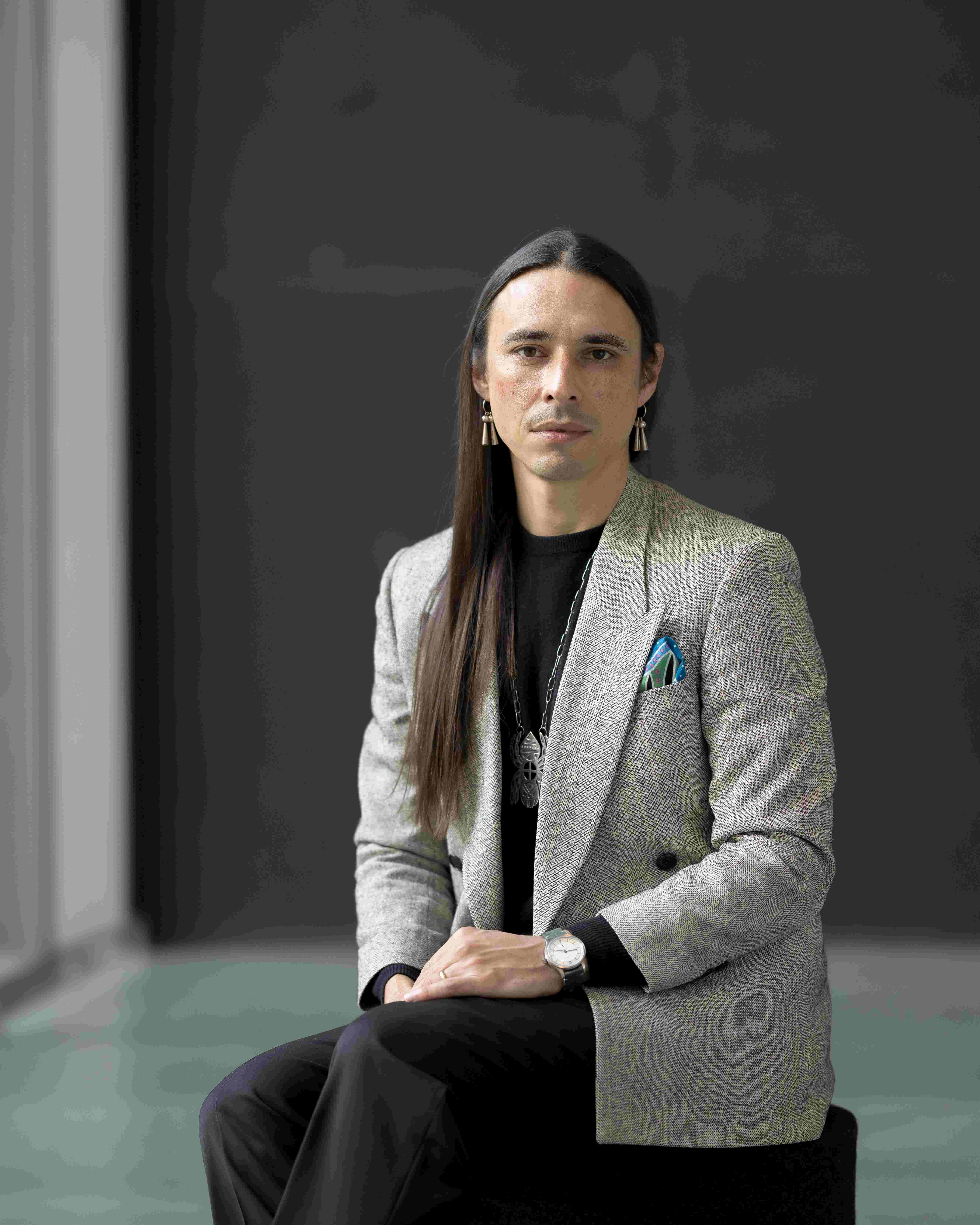
Joseph M. Pierce (Cherokee Nation citizen) is Professor in the Department of Hispanic Languages and Literature and the Founding Director of the Native American and Indigenous Studies Initiative at Stony Brook University. He is the author of Speculative Relations: Indigenous Worlding and Repair (Duke University Press, 2025) and Argentine Intimacies: Queer Kinship in an Age of Splendor, 1890-1910 (SUNY Press, 2019), and co-editor of Políticas del amor: Derechos sexuales y escrituras disidentes en el Cono Sur (Cuarto Propio, 2018) and the 2021 special issue of GLQ, “Queer/Cuir Américas: Translation, Decoloniality, and the Incommensurable.” He has published work in Critical Ethnic Studies Journal, Latin American Research Review, and Art Journal, and in popular outlets including Hyperallergic, TruthOut, and Indian Country Today. With S.J. Norman (Wiradjuri), he is co-curator of the performance series Knowledge of Wounds, and in 2024-2025 he was a Ford Foundation Scholar in Residence at the Museum of Modern Art (MoMA).
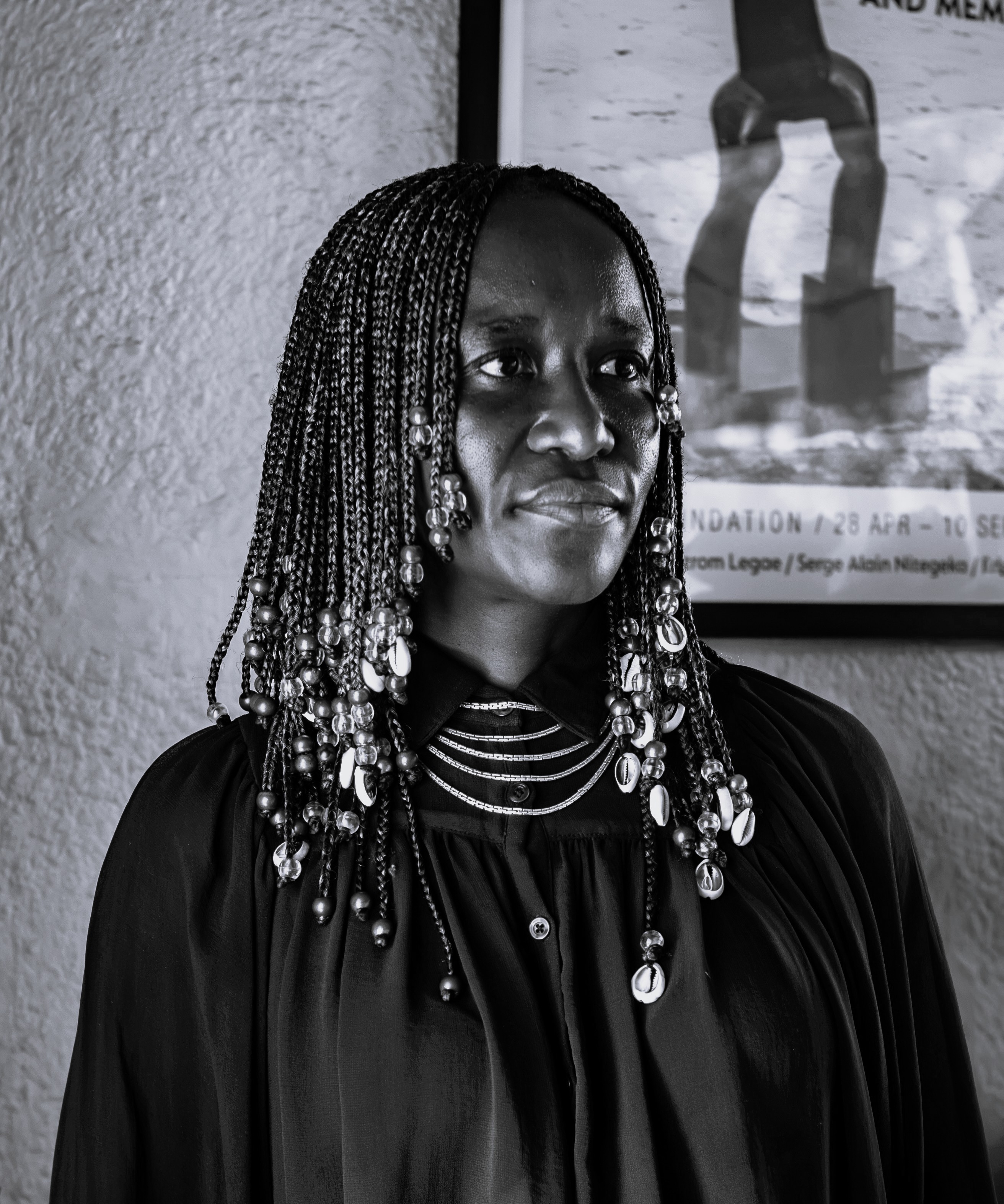
Uhuru Phalafala is…here, not yet, elsewhere, over there, yonder, across, unfinished, in the clearing, besides, out there, below, unseen, process, unknown, ongoing...
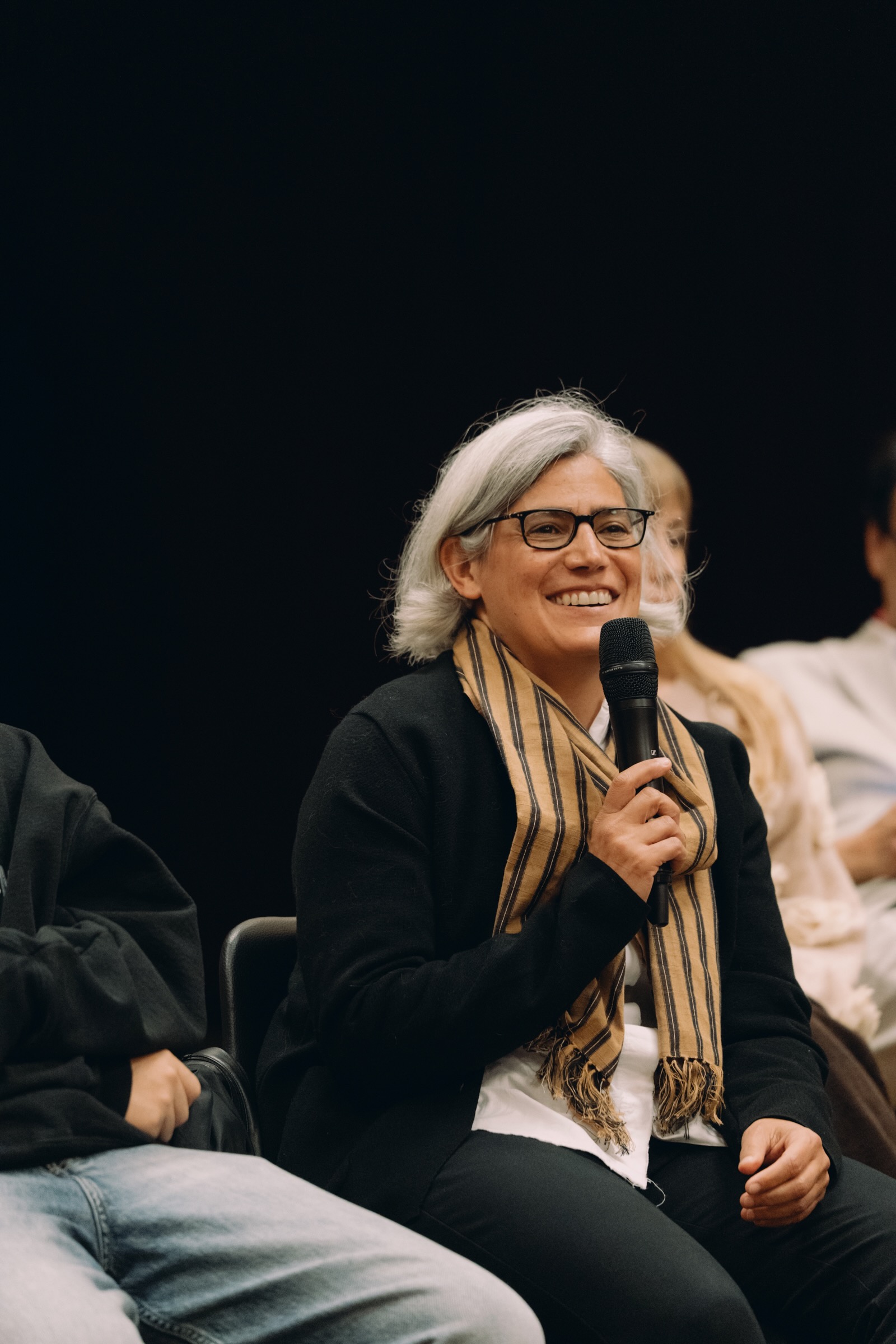
Kathryn Yusoff is Professor of Inhuman Geography in the School of Society & Environment at Queen Mary University of London. Her research examines how inhuman and nonorganic materialities shape understandings of environmental change, race and subjectivity. She is the author of A Billion Black Anthropocenes or None (University of Minnesota Press, 2018), Geologic Life: Inhuman Intimacies and the Geophysics of Race (Duke University Press, 2024), and co-author of Planetary Portals, with Casper Laing Ebbensgaard and Kerry Holden (Goldsmiths University Press, 2026). Her work theorizes the processes by which race and racialization emerged geologically and how geophysical forces shape racialized experiences of environments.
Dr. Lola Olufemi is a black feminist writer and researcher from London. She is a lecturer in Fine Art Critical Studies at Goldsmiths University. Her work focuses on the utility of the political imagination in the textual and visual cultures of radical social movements, examining the role cultural production plays in materialist resistance and collective conceptualisations of futurity. She is author of Feminism Interrupted: Disrupting Power (Pluto Press, 2020), Experiments in Imagining Otherwise (Hajar Press, 2021), the forthcoming Against Literature (Peninsula Press, 2027) and a member of 'bare minimum', an interdisciplinary anti-work arts collective. She occasionally curates and is a member of the organising team at the Feminist Library based in Peckham.
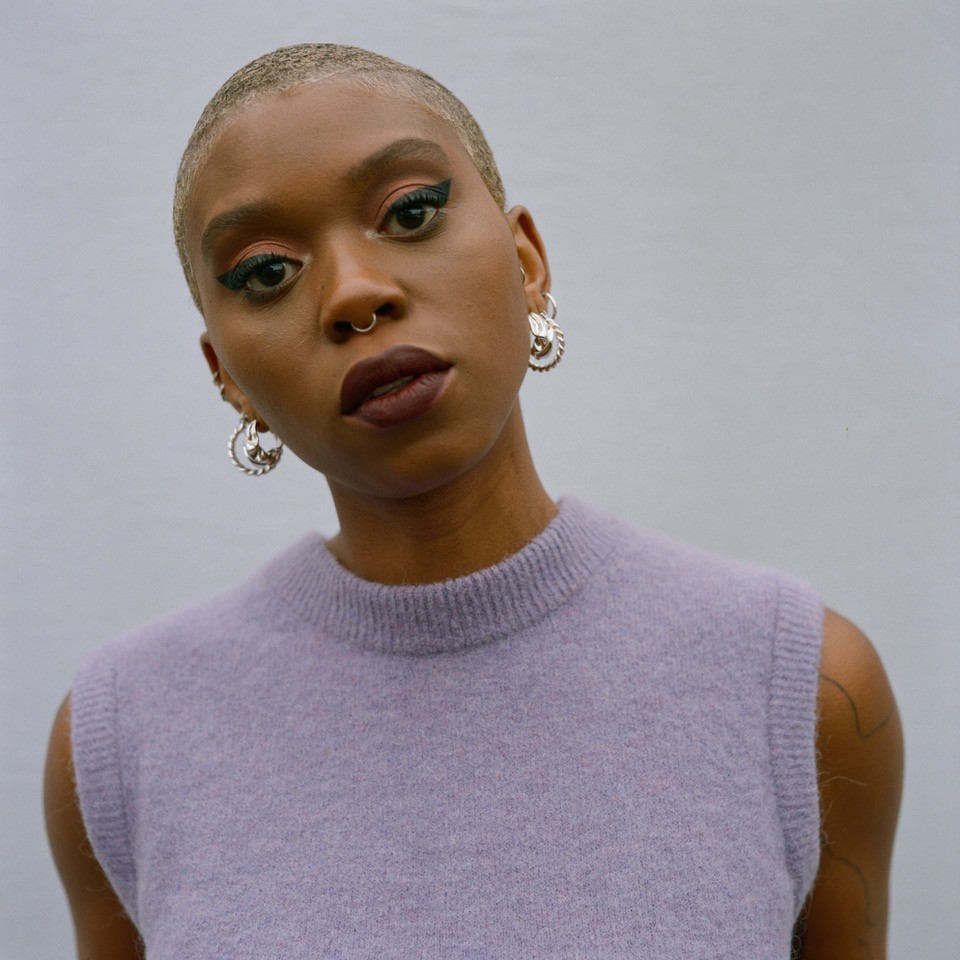
Jovan Scott Lewis is Professor of Geography and holds the Haas Distinguished Chair in Economic Disparities at UC Berkeley. He chaired the Geography Department from 2021 to 2025. From 2021 to 2023 he was a governor's appointee to the State of California Reparations Task Force. His research examines race, political economy, and the institutional production of inequality, with particular attention to Black communities in the United States and the Caribbean. Lewis is the author of Scammer’s Yard, Violent Utopia, and co-editor of The Black Geographic. He is currently at work on his next book, The State of Repair.
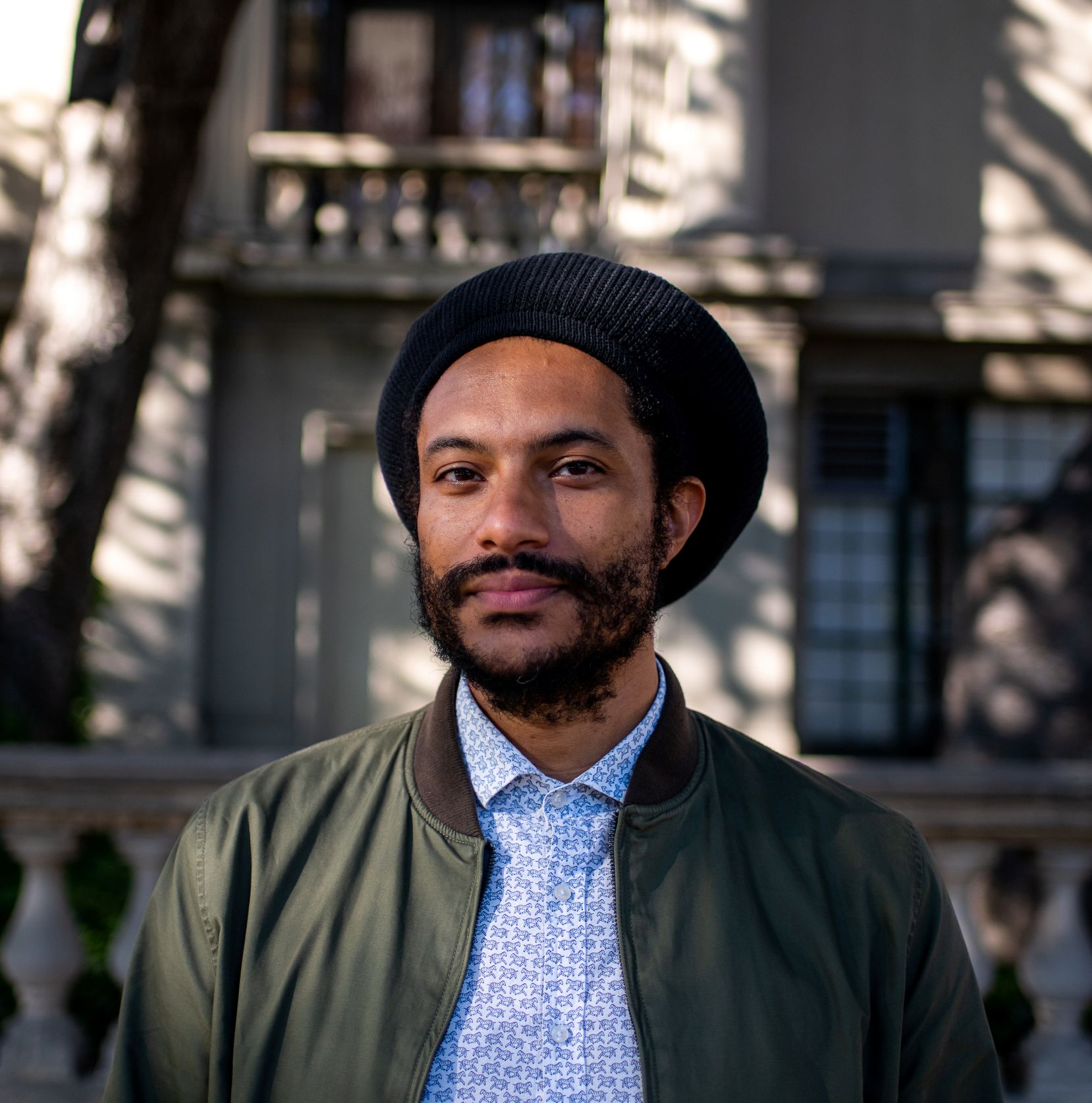
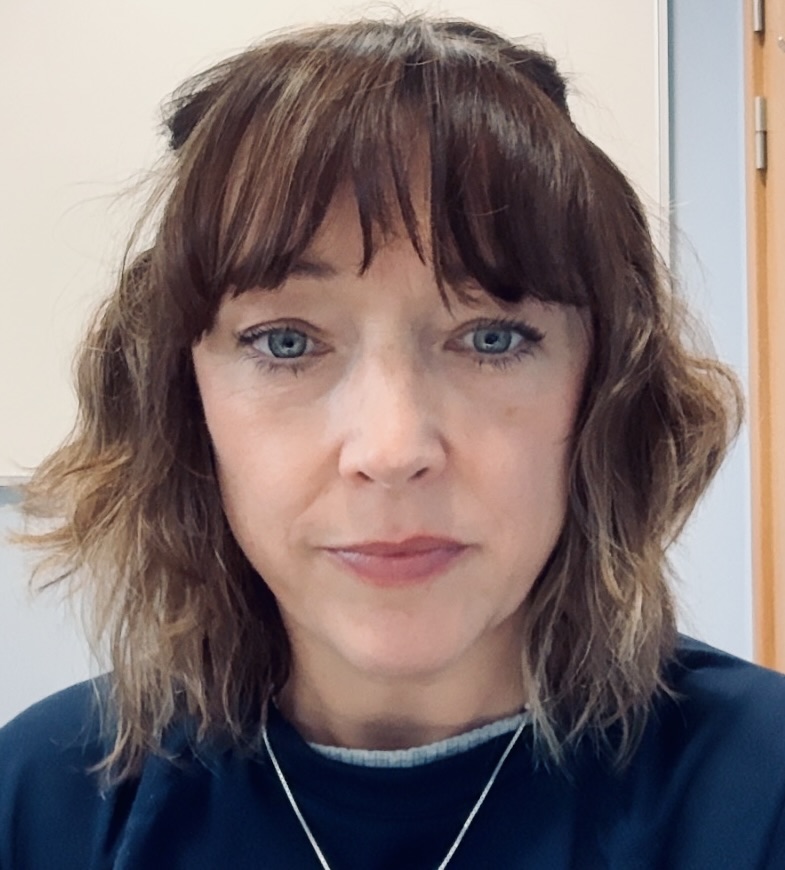
Maria Raquel Passos Lima is a Brazilian anthropologist, Assistant Professor of Anthropology at the Institute of Social Sciences of the State University of Rio de Janeiro (UERJ), where she founded and co-coordinates the research collective ResiduaLab: Laboratory of Social Studies of Waste. She is currently an International Research Fellow of the Urban Studies Foundation and a CNPq Postdoctoral Fellow, based as Visiting Research Fellow at the Department of Geography, Planning and International Development Studies, University of Amsterdam.
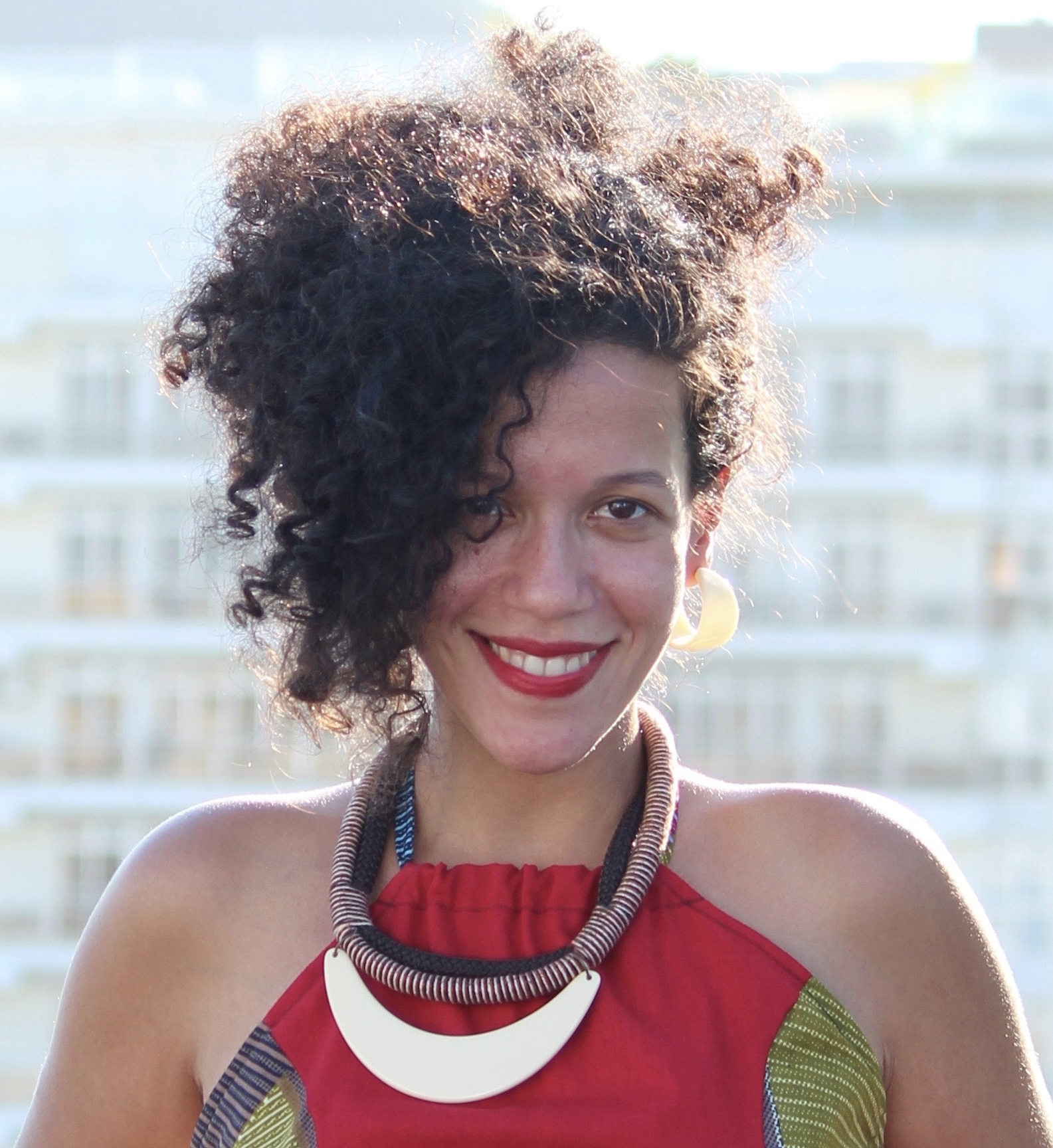
Siobhan Angus is an associate professor of Media Studies at Carleton University, with cross-appointments in Art and Architectural History and the Institute of Political Economy. She is the author of the award-winning Camera Geologica: An Elemental History of Photography, (Duke University Press 2024) and her research has been published in Environmental Humanities, American Art, and October. She is currently at work on a co-authored book with Jennifer Raab which examines the relationship between the chemicalization of agriculture, visual culture, and settler-colonial land relations in the Americas. At the heart of her research program lies an intellectual and political commitment to environmental, economic, and social justice.
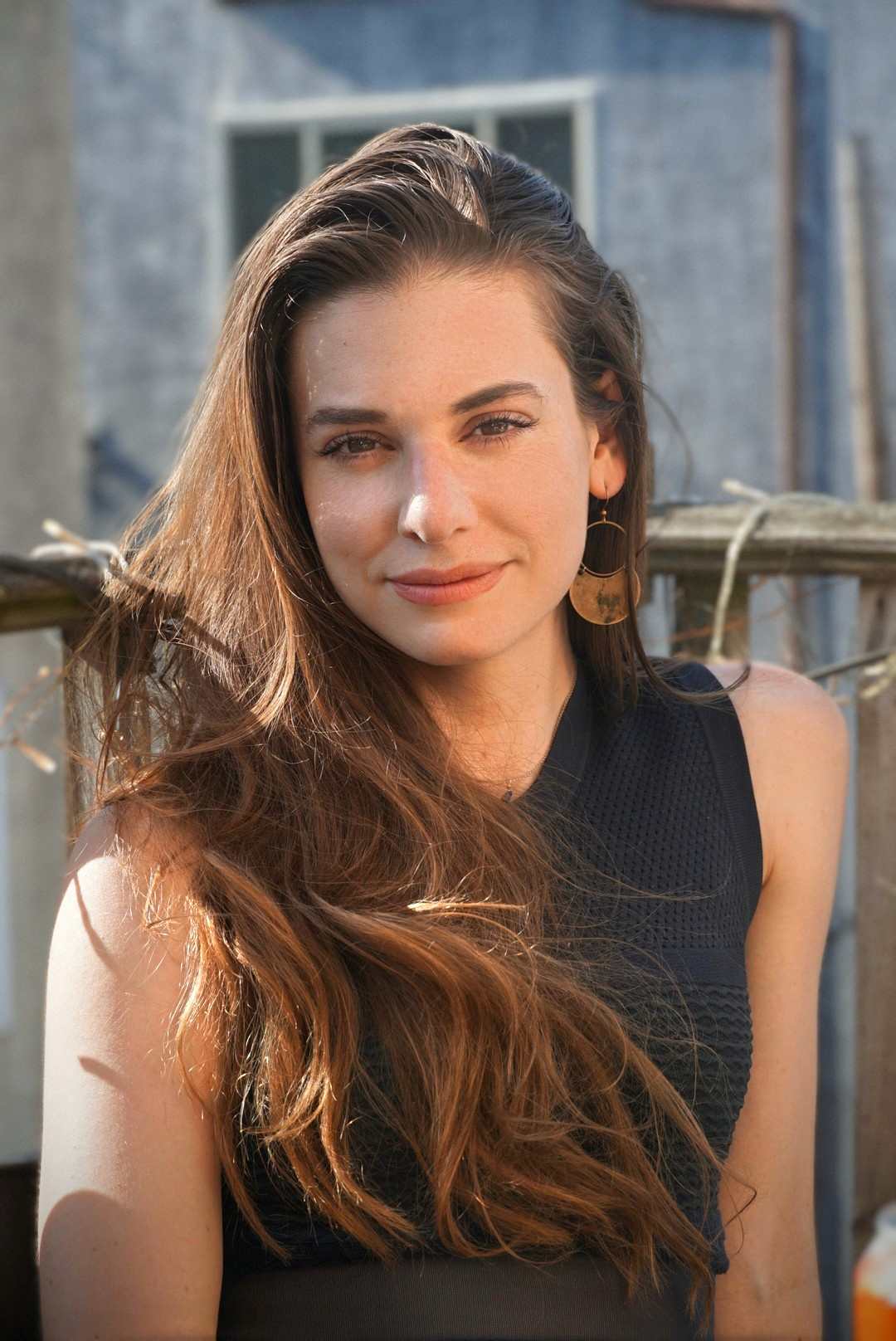
Chiara de Cesari (she/her) is Professor of Heritage, Memory and Cultural Studies and Chair of Cultural Studies at the University of Amsterdam. Her research explores how forms of memory, heritage, art, and cultural politics are shifting under contemporary colonialisms and multiple, entangled planetary crises. She is particularly concerned with the ways in which race, racism and colonial legacies live on today, especially in museums and cultural institutions. Another strand of research examines the intersection of art, activism and socio-institutional change, especially how artists and activists are collectively experimenting with and arguably reinventing (cultural) institutions. Among others, she is the author of Heritage and the Cultural Struggle for Palestine (Stanford UP, 2019), and Decolonize the Museum: Art, Activism, and the Question of Race in Curation (with Wayne Modest and Marta Pagliuca Pelacani, Routledge, 2025) as well as the co-editor of two key volumes in memory studies (European Memory in Populism, Routledge, 2019; Transnational Memory, de Gruyter, 2014).
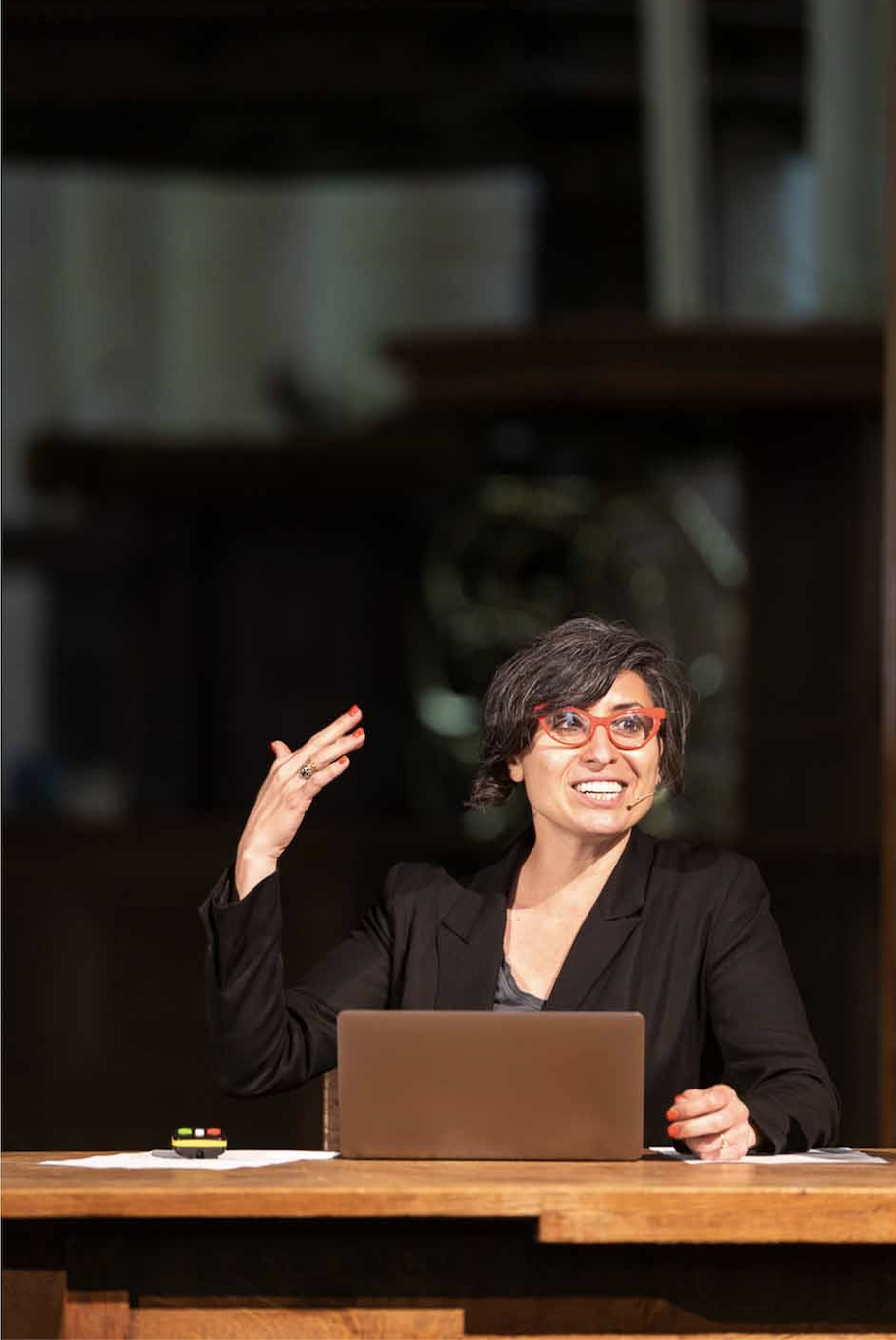
Raquel Lima is a poet, art educator, performer, essayist, curator and transdisciplinary artist. She has a degree in Artistic Studies from the University of Lisbon and she is a PhD candidate in Post-Colonial Studies at the University of Coimbra. Her research focuses on Orature, Slavery and Afrodiasporic movements and their contemporary practices of escapism, abstraction and healing.
She co-organized the Conference Afroeuropeans: Black In/Visibilities Contested (ISCTE, 2019), and co-edited the books Afroeuropeans: Identities, Racism, and Resistances (Routledge, 2025) and Pandemic Solidarity: Mutual Aid During the Covid-19 Crisis (Pluto Press, 2020), contributing to critical debates on epistemic justice and global inequalities.
She has presented her academic work at various international conferences, most notably the conference Authoring Human Rights in West Africa and beyond: Expressions of slaveries in Literature and the Arts at the University of Cape Coast in Ghana (2023), and the Conference Decolonial Remains: Scrutinizing African Studies in Africa and the Unfinished Business of Decolonization at the University of Ibadan in Nigeria (2022).
In 2022, she was invited to the Venice Biennale as a speaker at the event Loophole of Retreat, invited as keynote speaker to the opening session of the World Congress of Women in Mozambique, and invited to the event Literature Talk: Poets from Black Europe at BOZAR in Belgium, as part of the poetic anthology Kontinentaldrift. Das Schwarze Europa (2021). In 2023 she participated at 35th São Paulo Biennial, curated the Conference 'Reformulating Authority and Authorship in the Arts' in Lisbon, and was elected one of the 100 most influential Black personalities in Lusophony by Bantumen magazine's annual Power List. In 2024 she was invited as a keynote speaker to the Race in Iberia Symposium at The Ohio State University. She published the poetry books Ingenuidade Inocência Ignorância (2019) and ÚLULU (2025). She co-founded the Black Union of the Arts in Portugal, and won the 2026 Emma Goldman Award.
More info here: https://ces.uc.pt/en/ces/pessoas/doutorandas-os/raquel-lima